Key Takeaways
- Check the upholstery material and care label before cleaning your shearling chair.
- Vacuum gently to remove dust, crumbs, and loose hair.
- Blot fresh spills instead of rubbing them into the fibers.
- Keep the chair away from excess moisture, direct heat, and strong sunlight.
- Hire a professional for deep stains, severe matting, or damage to genuine sheepskin.
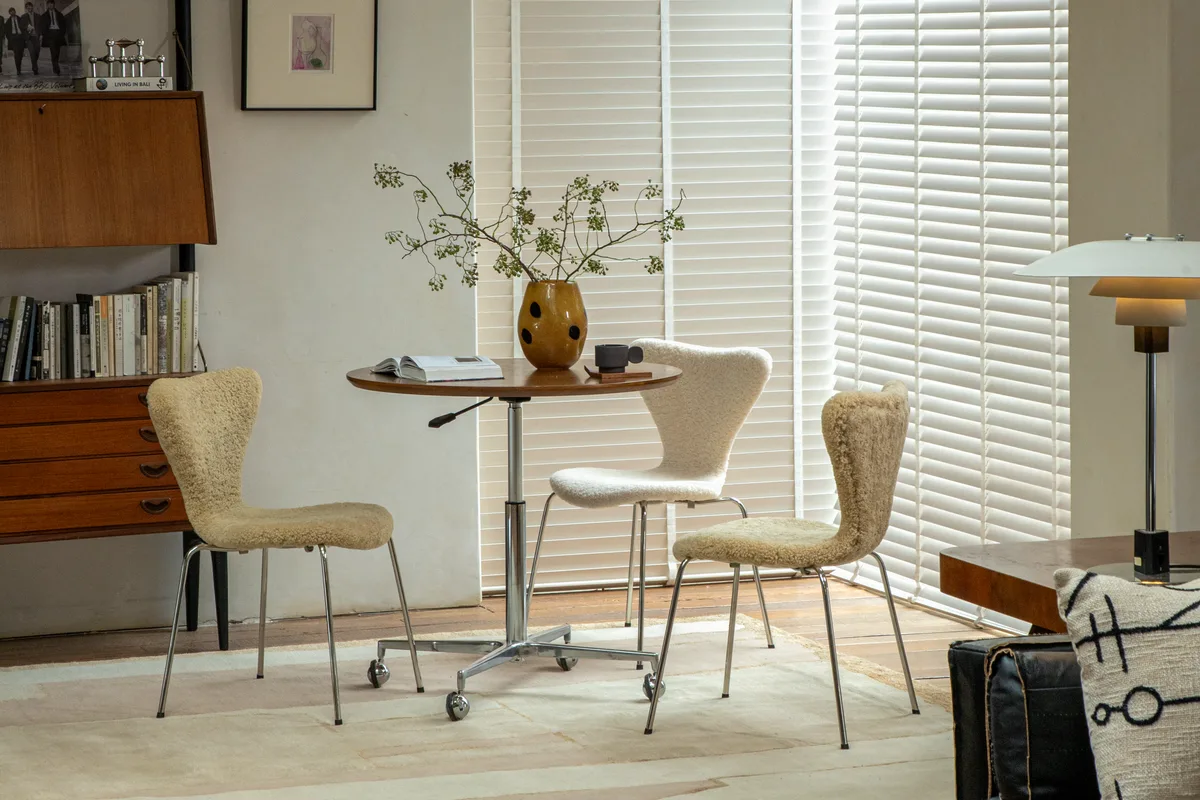
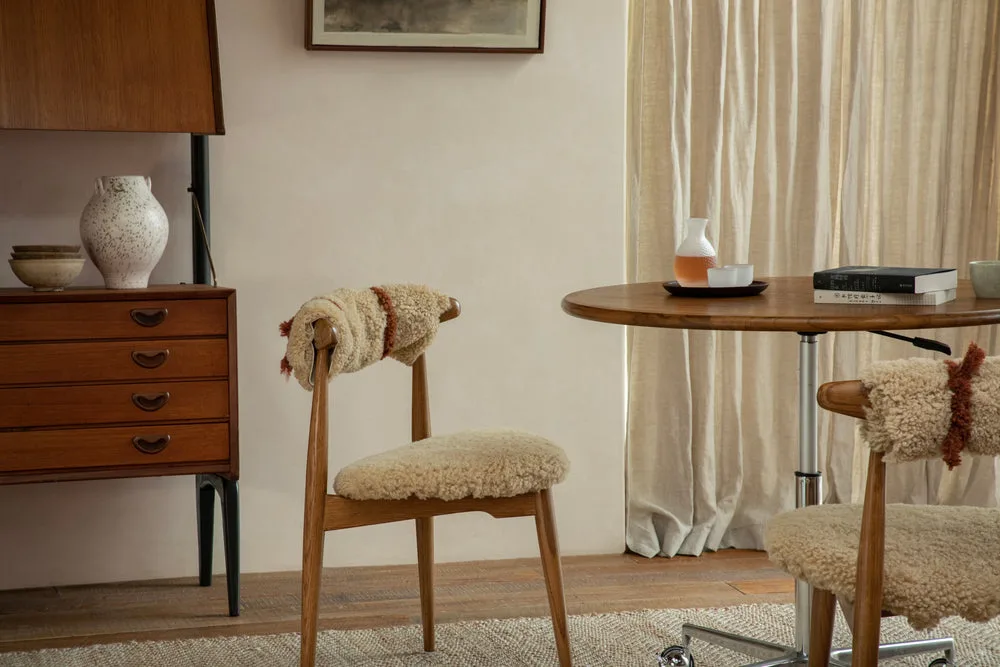
A shearling chair adds warmth, texture, and comfort to a living room or bedroom. Its soft, fluffy surface can also collect dust, flatten with use, and show stains. The right care routine helps keep the upholstery clean without damaging its fibers or backing. The first step is to identify the material, since genuine shearling and synthetic versions may need different cleaning methods.
Identify Your Shearling Chair's Upholstery Before Cleaning
Similar-looking fabrics can react differently to water, heat, and cleaning products. Identifying your chair's upholstery helps you choose a safe cleaning method and avoid damage.
Genuine Shearling vs. Faux Shearling
Genuine shearling consists of wool attached to a sheepskin hide. Its wool surface feels soft and warm, while the hide underneath needs careful handling. Too much moisture or heat can damage the leather backing.
Faux shearling usually uses synthetic fibers, such as polyester, to create a similar fluffy texture. Some versions allow gentle spot cleaning, while others require solvent-based products or dry cleaning. The fiber content alone does not tell you which method is safe.
Wool-blend fabrics and looped upholstery can also resemble shearling. Check the product description or ask the furniture maker if you cannot identify the material.
Check the Fabric Label and Care Instructions
Look for the upholstery label, product manual, or manufacturer's cleaning instructions. Common upholstery codes include:
- W: Water-based cleaning methods are permitted.
- S: Use a suitable solvent-based cleaner.
- WS: Water-based or solvent-based cleaning may be allowed.
- X: Vacuum or brush gently; professional cleaning may be needed for stains.
These codes are common on upholstered furniture, but they may not cover every feature of genuine shearling. Follow any material-specific instructions first, and test an approved cleaner on a hidden spot before treating a visible area.
Build a Simple Routine for Everyday Shearling Chair Care
Regular maintenance removes loose dirt before it settles into the pile. A few gentle steps each week can help preserve the chair's texture and reduce the need for deep cleaning.
Vacuum the Chair to Remove Dust and Debris
Use a vacuum with a soft upholstery attachment and low suction. Move it slowly over the seat, backrest, armrests, and seams. Pay attention to corners where crumbs, dust, and pet hair can collect.
Avoid aggressive rotating brush heads that may pull at the fibers. For delicate natural wool, follow the wool care instructions and use only a suitable attachment.
Weekly vacuuming works as a starting point for many homes. Vacuum more often if the chair gets heavy use or sits near pets.
Brush the Pile Gently to Maintain Its Texture
After removing loose dirt, gently brush the upholstery if the material allows it. A soft brush can help separate compressed fibers and restore some of their natural texture.
Use light strokes and follow the direction of the pile where possible. Do not pull at loose fibers or force a brush through tangled areas. Stiff brushes and metal combs can damage delicate wool or synthetic fibers.
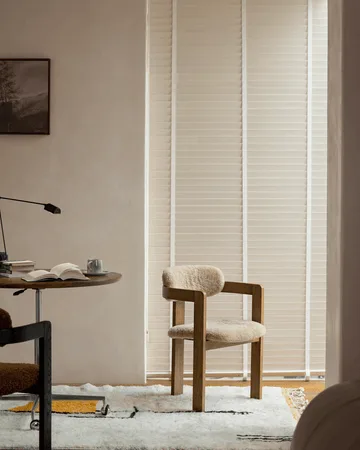
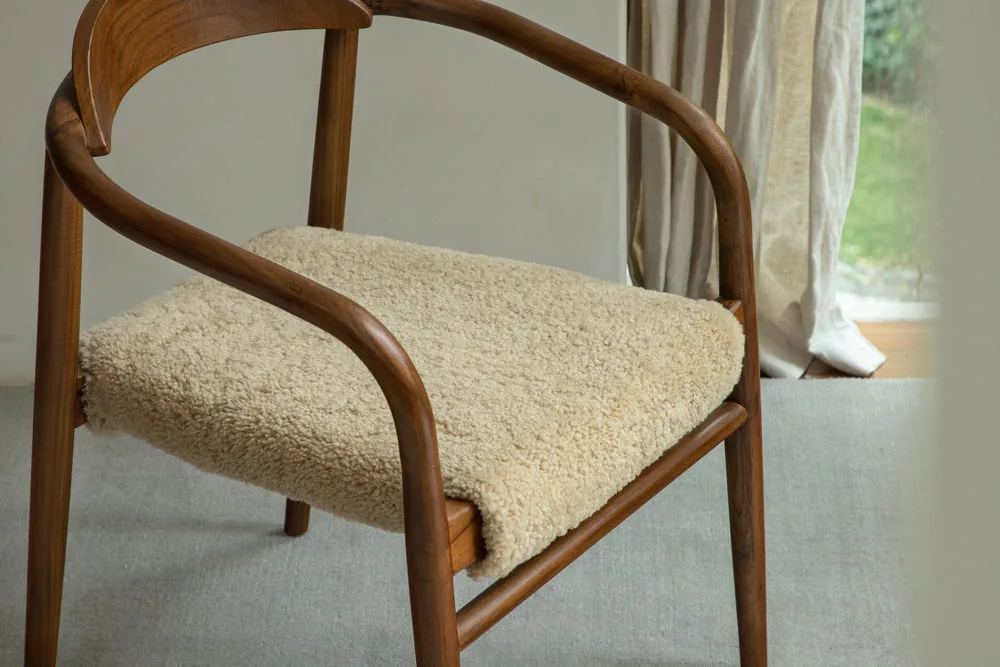
Pamplona Shearling Chair
Reduce Wear in Frequently Used Areas
Repeated pressure can flatten the seat and armrests over time. If the chair has removable cushions, reposition them according to the manufacturer's instructions to spread out wear.
Pick up crumbs and loose debris promptly instead of pressing them deeper into the upholstery. These small habits form the foundation of effective shearling furniture care.
How to Remove Stains From a Shearling Chair
Spills need quick attention, but aggressive cleaning can make them worse. A careful approach helps limit staining while protecting the upholstery and the padding underneath.
Blot Fresh Spills Before They Spread
Remove solid food or other debris gently without pushing it into the pile. Use a clean, absorbent white cloth to press against a fresh spill and soak up excess liquid. Work from the outer edge toward the center to help limit the spread. Avoid rubbing, scrubbing, or pouring water directly onto the chair. Too much liquid can reach the backing or cushion filling.
Spot-Clean With an Approved Method
Check the care label before using water or a cleaning product. If spot cleaning is allowed, apply a small amount of the approved solution to a clean cloth rather than pouring it onto the upholstery.
Test the product on a hidden area first. Check for color changes, water marks, or changes in texture, and allow the test area to dry fully. If the material reacts poorly, stop.
For genuine shearling, avoid treating the wool and leather backing as ordinary fabric. A specialist may be needed for stains that penetrate the hide or cannot be removed with gentle surface care.
Handle Common Household Stains Carefully
Different stains may need different treatments:
- Food and drinks: Remove solid residue and blot fresh liquid promptly.
- Body oils and greasy marks: Avoid rubbing the area or applying an unapproved degreaser.
- Pet hair and dirt: Remove loose material with a suitable vacuum or soft brush before attempting any wet cleaning.
- Old or unknown stains: Avoid layering several cleaning products. Seek professional advice if the stain remains.
Knowing how to remove stains from shearling upholstery starts with identifying the stain and choosing a method approved for the material.
Dry and Restore Shearling Upholstery Without Damage
Cleaning does not end when a stain disappears. Excess moisture, direct heat, and rough handling during drying can leave marks or affect the softness of the upholstery.
Let the Chair Dry Naturally
After spot cleaning, use a dry cloth to absorb any remaining moisture. Let the chair dry in a well-ventilated room away from direct sunlight and heat sources.
Do not use a hair dryer, space heater, or high-temperature steam cleaner to speed up the process. These methods may damage synthetic fibers or dry out the leather backing of genuine shearling.
Allow the cleaned area to dry fully before sitting on it again. If moisture reaches the cushion filling, follow the manufacturer's instructions for drying the entire cushion.
Restore Flattened or Matted Fibers
Once the surface is fully dry, gently arrange the pile with a suitable soft brush if the care instructions permit it. Light compression may improve with gentle brushing, but severe matting and damaged fibers may not return to their original condition.
Do not use steam or forceful combing to lift the pile unless the manufacturer specifically approves that method.
Address Odors and Persistent Dampness
A lingering musty smell may indicate trapped moisture or residue. Avoid covering the odor with fragrance sprays, which may leave more residue or react with the upholstery.
If the chair stays damp or develops a persistent odor after cleaning, stop using additional products and consult a professional. Moisture trapped inside a cushion may require more than surface treatment.
Pietra Shearling Chair
When to Hire a Professional Upholstery Cleaner
Home maintenance is suitable for loose dirt and some minor spills, but deep cleaning may require specialist knowledge. Getting help at the right time can prevent a small problem from becoming permanent damage.
Signs That Professional Cleaning Is Needed
Consider professional care if you notice:
- Large or deeply embedded stains.
- Persistent odors or widespread soiling.
- Severe matting, discoloration, or uneven texture.
- A genuine sheepskin backing that has become wet, stiff, or misshapen.
- Damage or color changes after an attempted cleaning.
Stop applying products if the upholstery reacts badly. Repeated attempts may spread the stain or cause further damage.
Choose a Cleaner With the Right Experience
Ask potential cleaners about their experience with wool upholstery, genuine sheepskin, and delicate furniture fabrics. Share the material label, care instructions, and details about the stain.
Ask which cleaning method they plan to use and whether it could affect the color, softness, or texture. For genuine shearling, look for a professional who specifically handles sheepskin or leather-backed wool.
Set a Cleaning Schedule Based on Use
There is no fixed professional-cleaning schedule for every shearling chair. Usage, fabric type, visible soiling, and household conditions all affect the need for deeper cleaning.
Regular vacuuming and prompt spill care should remain the first line of defense. Arrange professional cleaning when the chair needs more than routine maintenance or when the manufacturer recommends it.

Make Shearling Chair Care Easier from the Start
If you are shopping for a shearling chair, its cleaning requirements deserve as much attention as its color and comfort. Choosing a suitable material and design can make routine care easier.
Check the Fabric Composition Before Buying
Confirm whether the chair uses genuine shearling, faux shearling, or a wool blend. Review the care instructions and ask which cleaning methods are permitted. A clear care label makes it easier to handle spills and plan regular maintenance.
Consider Removable Cushions and Cleaning Access
Removable cushions can make it easier to reach seams and clean around the seat. Check if the covers can be removed and, separately, if they can be washed. Do not assume that a zipper or removable cover means machine washing is safe. The fabric, backing, and construction still matter.
Match the Upholstery to Your Household
Think about how often the chair will be used and who will use it. Homes with pets, children, or frequent visitors may need more regular vacuuming and faster spill response. Light-colored upholstery may also show dirt more clearly. Choose a chair with care instructions that fit your routine and the level of maintenance you can manage.
Keep Your Shearling Chair Soft with the Right Care Routine
A shearling chair can stay comfortable and attractive with regular dust removal, gentle handling, and prompt attention to spills. Identify the upholstery first, follow its care instructions, and avoid unapproved cleaners, excess moisture, and direct heat. For deep stains, severe matting, or damage to genuine sheepskin, professional care is often the safer choice.
FAQs about Shearling Chair
Q1: Can You Vacuum a Shearling Chair?
Yes, many shearling chairs can be vacuumed with a soft upholstery attachment and gentle suction. Avoid aggressive brush heads, and follow the care instructions for delicate natural wool or genuine sheepskin.
Q2: Is Shearling Upholstery Supposed to Shed?
A small amount of loose fiber may appear with some materials, especially with initial use. Heavy shedding, bald patches, or a sudden increase in loose fibers may signal wear or damage. Check the upholstery and contact the manufacturer if the problem continues.
Q3: How Do You Keep a Shearling Chair From Matting?
Remove dust and debris regularly, brush gently when permitted, and reduce repeated friction in high-use areas. Avoid forceful brushing and excessive moisture, which can worsen matting.
Q4: Can You Use a Fabric Protector on a Shearling Chair?
Only use a protector approved for the specific upholstery. Some products can change the texture, color, or breathability of delicate fibers. Test an approved product on a hidden area and follow the manufacturer's directions.
Q5: How Long Does a Shearling Chair Last?
Its lifespan depends on material quality, construction, frequency of use, and maintenance. Regular cleaning, protection from excessive sunlight, and prompt treatment of spills can help preserve the upholstery, but normal wear will still occur over time.