Key Takeaways
- Wood frames provide structure, while upholstered seats add cushioning for everyday comfort.
- Seat firmness, chair dimensions, and backrest shape affect how comfortable a chair feels.
- Strong joints, quality padding, and suitable fabric help extend a chair's useful life.
- The right chair balances comfort, easy cleaning, and long-term value.
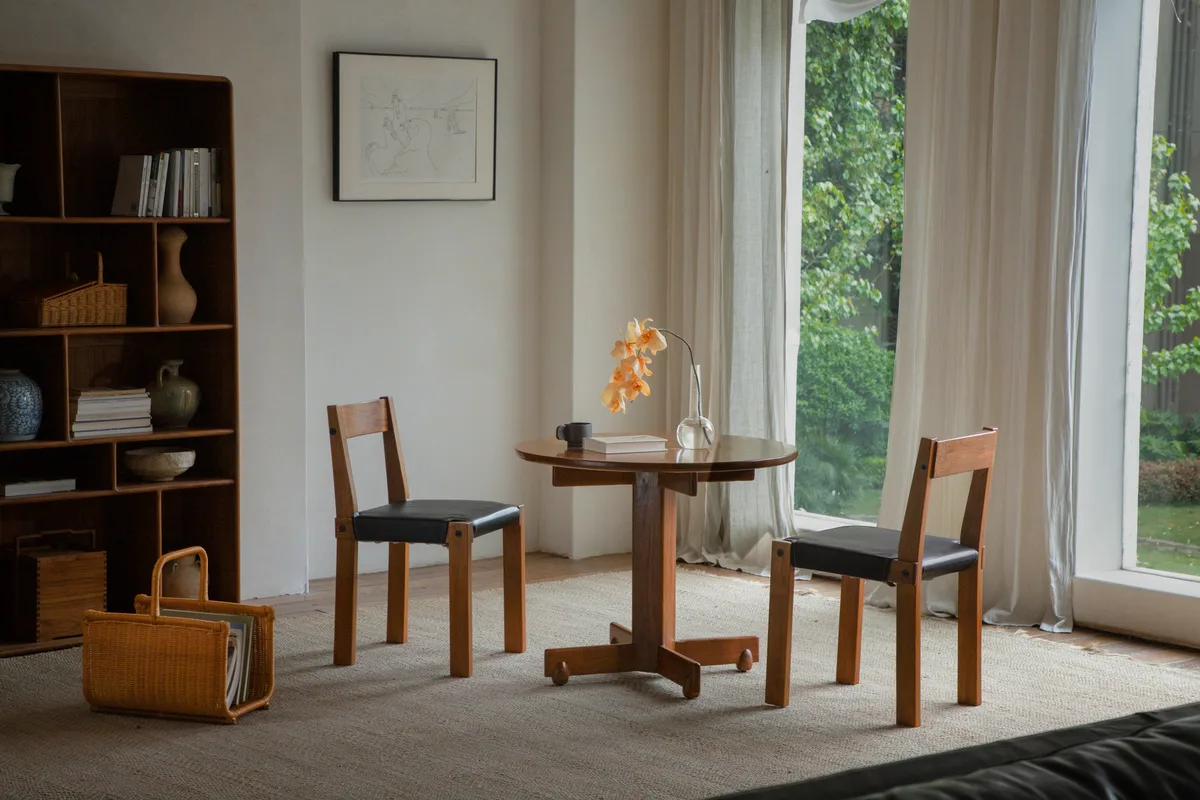
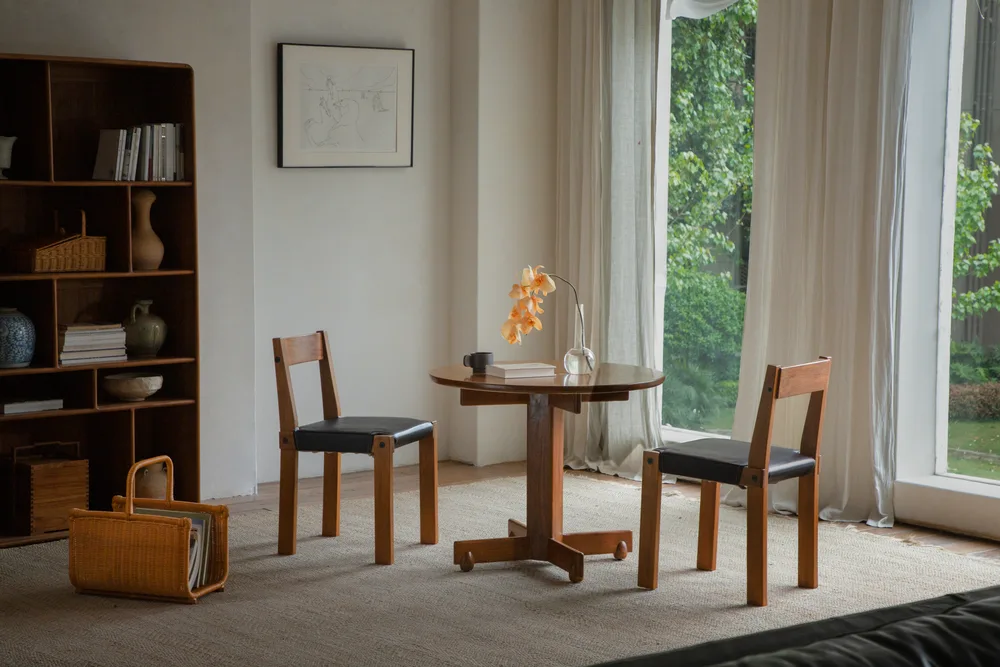
Wood frame chairs with upholstered seats combine the natural look of wood with the softness of a padded seat. They suit many dining rooms, from casual family spaces to more formal settings. These chairs can be comfortable and durable, but their performance depends on frame construction, cushion quality, and upholstery material. Knowing what to check can help you choose a chair that feels good during long meals and holds up to daily use.
Are Wood Frame Chairs with Upholstered Seats Comfortable?
A padded seat can make a wooden chair more comfortable, especially during long meals or conversations. The cushion, seat dimensions, and backrest all affect how well the chair supports your body.
Cushion Padding and Firmness
Seat padding plays a major role in comfort. Most upholstered dining chairs use foam, fiberfill, or a combination of materials to create a softer sitting surface.
Foam density and firmness affect different aspects of performance. Density helps indicate how much material is packed into the foam, while firmness describes how much resistance it offers under pressure. Neither factor alone determines comfort or durability.
A cushion that feels very soft in a showroom may not provide enough support during a long dinner. Thin padding can also allow you to feel the hard seat base beneath it. A medium-firm cushion with good resilience often provides a practical balance of softness and support.
When testing a chair, sit for several minutes. Notice if your weight feels evenly supported and if the cushion springs back after you stand up.
Seat Height, Depth, and Width
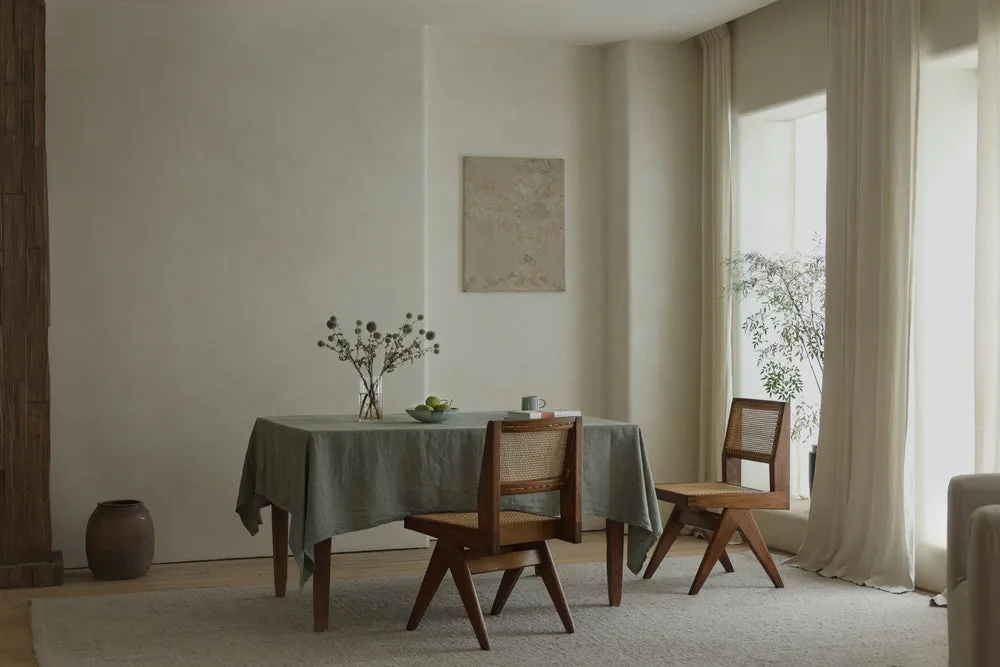
Even a well-padded chair can feel uncomfortable if its dimensions do not suit your body. Standard dining tables are often around 28 to 30 inches high, while dining chair seats commonly measure about 17 to 19 inches from the floor. These ranges provide a useful starting point, but the table apron, cushion compression, and your body proportions also matter.
Check these three measurements:
- Seat height: Your feet should rest comfortably on the floor, with enough room for your legs beneath the table.
- Seat depth: The seat should support your thighs without pressing tightly against the backs of your knees.
- Seat width: You should have enough room to sit naturally without feeling squeezed by the frame or armrests.
If you are shopping online, compare the listed dimensions with a chair you already find comfortable. This simple step can help you avoid a poor fit.
Backrest Shape and Support
A chair's backrest affects posture and comfort during longer meals. Some designs feature an exposed wooden backrest with a curved shape, while others add upholstery to the back for extra cushioning. A curved wooden backrest can provide good support if its shape and angle suit your body. An upholstered backrest adds softness, but extra padding does not automatically improve support.
Look for a backrest that allows you to sit naturally without leaning too far backward or feeling pushed forward. If you prefer wood dining chairs with arms, check that the armrests allow your shoulders to relax and fit beneath or around your dining table as needed.
What Determines the Durability of Wood Frame Upholstered Chairs?
Comfort matters at first, but daily use puts stress on the frame, joints, cushions, and fabric. Checking these parts together gives you a better picture of how well a chair may hold up over time.
Wood Type and Frame Construction
The wood frame supports the seat and transfers your weight to the legs. Its material and construction affect stability, resistance to damage, and long-term performance. Common materials include:
- Oak: A hardwood known for its strength, hardness, and visible grain.
- Beech: A hardwood often used in furniture frames because of its strength and relatively even texture.
- Ash: A hardwood valued for its strength and clear grain pattern.
- Pine: A softer wood that can work well in suitable designs but may dent more easily.
- Plywood: A layered wood product used in some seat bases and structural components.
Solid wood is not automatically better than every engineered wood product. High-quality plywood can work well in suitable parts, while poorly designed solid wood furniture can still develop loose joints.
When choosing a wood dining chair, check which materials form the main load-bearing parts. A stable frame with suitable construction is more useful than a product description that simply highlights the type of wood.
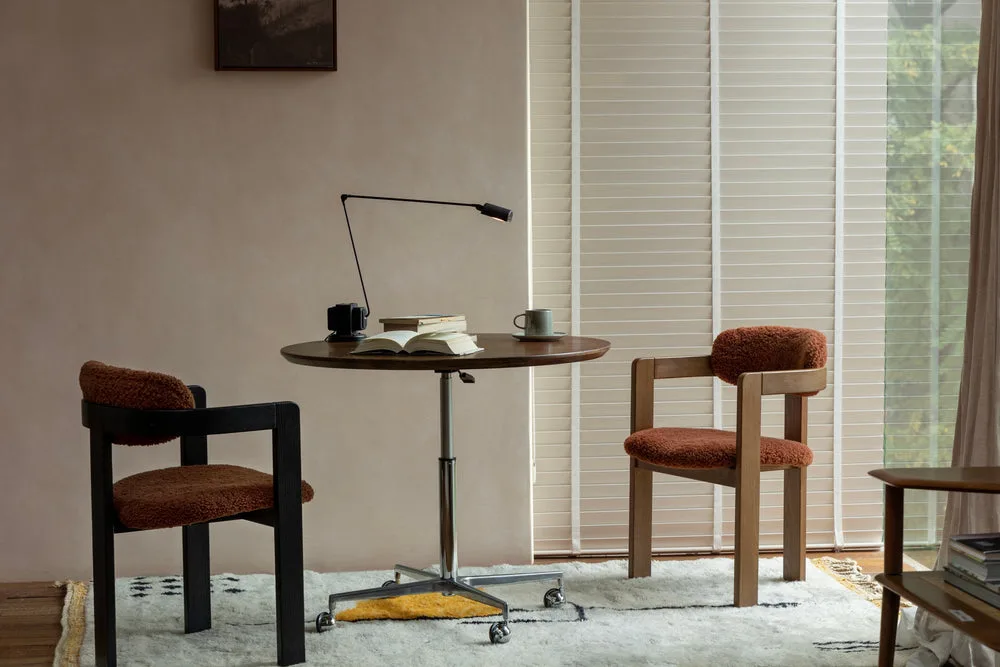
Joint Quality and Frame Stability
Dining chairs experience repeated movement as people sit down, stand up, and shift their weight. Weak joints can loosen over time, causing wobbling or creaking.
Common construction methods include mortise-and-tenon joints, dowel joints, screws, and reinforced corner blocks. Each can work well when properly designed and assembled.
Check for these warning signs:
- Noticeable side-to-side movement when the chair is on a level floor.
- Gaps around the leg-to-seat connections.
- Loose screws or bolts on an assembled chair.
- Cracks, splits, or unusual noises during normal use.
A chair should feel stable under normal use. Follow the manufacturer's assembly instructions, and avoid rocking backward on the rear legs, which can place extra stress on the joints.
Cushion Resilience and Upholstery Wear
The frame is only part of the durability equation. Seat padding can lose its shape, and upholstery can show wear even while the wood remains in good condition. Common problems include flattened cushions, fabric pilling, fading, frayed seams, and worn seat edges. Direct sunlight, frequent friction, spills, and cleaning methods can affect how quickly these problems appear.
Look for durable upholstered dining chairs with supportive padding and fabric suited to your household. Removable seat pads can be especially useful because they may allow easier cleaning or replacement without discarding the entire chair.
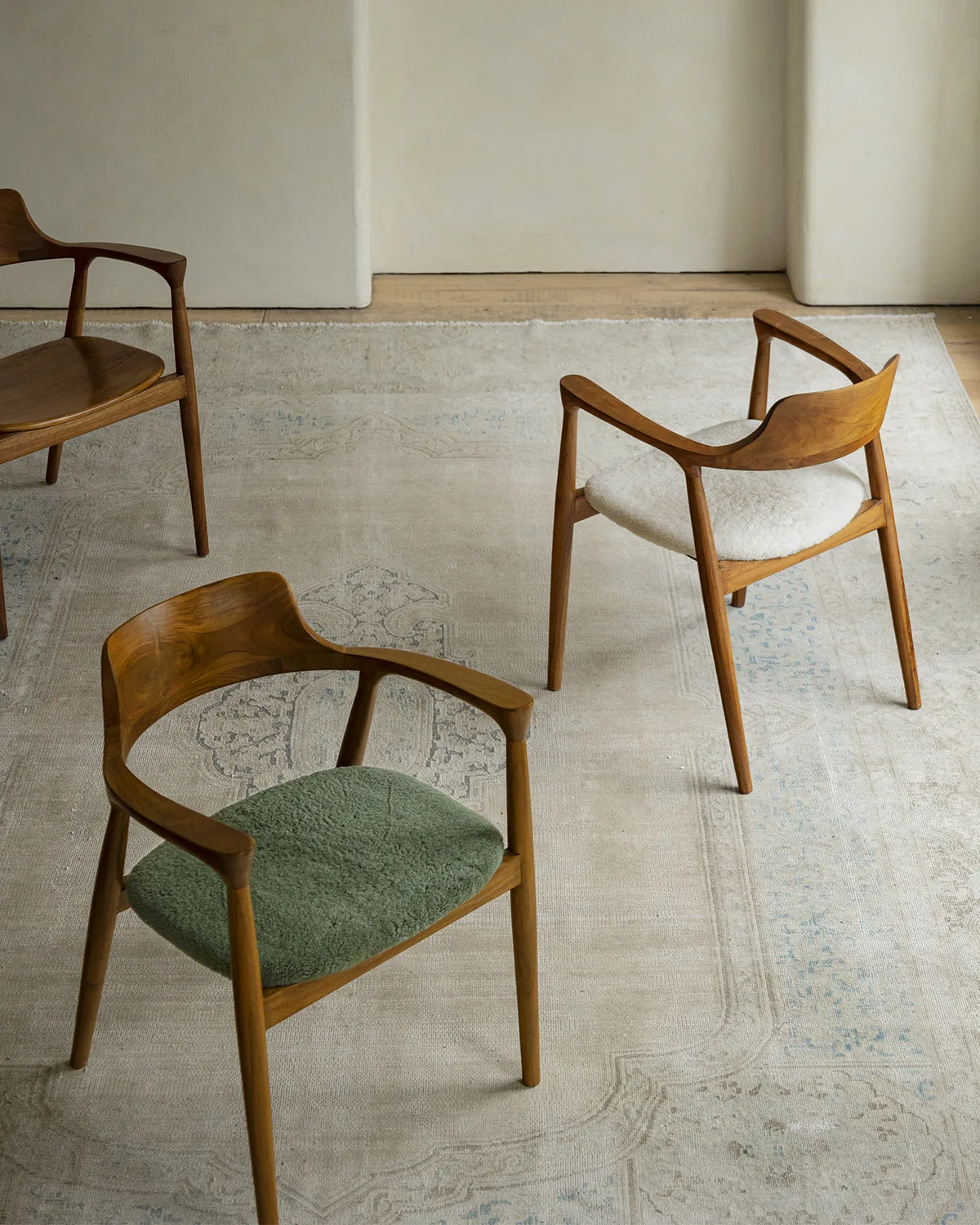
Hiroshima Chair
Which Upholstery Fabric Is Best for a Wood Frame Chair?
The right fabric should match your daily routine as well as your preferred style. Dining chairs face food spills, friction, and frequent contact, so cleaning needs and wear resistance deserve as much attention as color and texture.
Polyester and Performance Fabrics
Polyester upholstery comes in many textures, colors, and price ranges. Some fabrics offer good resistance to everyday wear, making them practical for frequently used dining rooms.
Performance fabrics may include treatments or fiber designs intended to improve stain resistance and cleaning. Their actual performance varies, so check the care instructions and any available test results rather than relying on the label alone.
These fabrics can suit busy households with children or pets, especially when the manufacturer provides clear instructions for removing common food and drink stains.
Linen, Velvet, and Other Textured Fabrics
Linen and linen-blend fabrics have a natural, relaxed appearance that pairs well with wood frames. They can suit casual dining rooms, but some versions wrinkle easily or require careful stain treatment. Velvet adds a soft texture and rich appearance. Its surface may show pressure marks, and some fabrics can collect pet hair or snag more easily than tightly woven alternatives.
For either material, check the cleaning label and fabric construction. A blend may offer different care and wear properties from a fabric made entirely from a single fiber.
Leather and Faux Leather
Leather and faux leather are worth considering if you prefer a smooth surface that can often be wiped clean after a spill.
Genuine leather can develop a natural patina over time and may need occasional conditioning, depending on its finish. Faux leather varies widely in quality; some products may crack or peel after repeated use.
Choose based on the manufacturer's care instructions, the expected frequency of use, and your preference for natural or synthetic materials. No covering is maintenance-free, and prompt spill cleanup helps preserve its appearance.
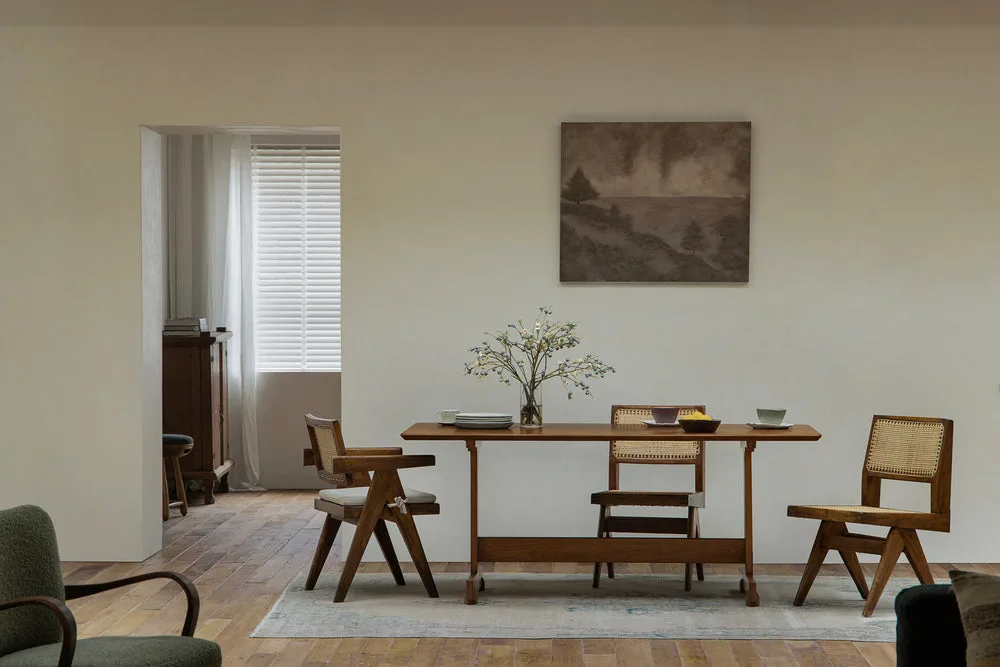
Upholstered Wood Dining Chairs vs. All-Wood Chairs
Both styles can work well in a dining room, but they suit different priorities. Comparing comfort, cleaning, and maintenance can help you decide which design fits your household.
| Factor | Upholstered Wood Chair | All-Wood Chair |
|---|---|---|
| Sitting comfort | Adds cushioning | Usually feels firmer |
| Cleaning | Depends on the fabric or covering | Usually easy to wipe |
| Maintenance | Requires care for the frame and upholstery | Focuses mainly on the frame and finish |
| Long-term wear | Padding and fabric may need repair | Wood and surface finish may need repair |
| Appearance | Combines wood with soft textures | Highlights the wood's natural look |
For households that spend a lot of time at the dining table, upholstery may provide a more comfortable seat. For families that prioritize quick cleanup, an all-wood design may be easier to maintain. Neither style is always more durable. A well-made upholstered chair can last through years of regular use, while a poorly constructed wooden chair may develop loose joints. The best choice depends on build quality, daily habits, and maintenance needs.
How to Choose a Comfortable and Durable Wood Frame Chair
Once you know what affects comfort and durability, use a few practical checks to compare options. These details can help you look beyond appearance and focus on how a chair will perform at home.
- Check the frame materials. Confirm what is used for the legs, seat rails, and other load-bearing parts.
- Inspect the joints. Look for secure connections and a stable frame, with no obvious gaps or movement.
- Test the seat cushion. Sit on the chair and check for even support, suitable firmness, and good recovery after standing.
- Measure the chair. Compare seat height and depth with your dining table and body proportions.
- Review the upholstery. Check cleaning requirements, wear resistance, and suitability for children or pets.
- Check product details. Look for a stated weight limit, assembly instructions, warranty terms, and replacement parts.
- Consider future repairs. A replaceable seat pad or repairable frame may offer better long-term value than a chair that cannot be serviced easily.
If you are furnishing a smaller dining area, measure the space needed to pull each chair out. Armrests can also affect how closely chairs fit together and whether they slide beneath the table.
Pamplona Shearling Chair
How to Maintain Wood Frame Chairs with Upholstered Seats
Regular care helps keep the wood frame stable and the upholstery looking clean. A simple routine is usually enough, provided you follow the care instructions for the specific materials.
Caring for the Wood Frame
Dust the frame with a soft cloth and wipe up spills promptly. Use a slightly damp cloth only when suitable for the finish, and dry the surface afterward.
Avoid harsh cleaners that may damage paint, lacquer, or protective coatings. When moving chairs, lift them rather than dragging them across the floor. Check screws and bolts periodically if the manufacturer recommends it, and tighten them according to the assembly instructions.
Cleaning and Protecting the Upholstery
If you want to know how to clean upholstered dining chairs, start with the fabric's care label. Different materials may require different cleaning methods, and using the wrong product can leave stains or damage the fibers. Follow these basic steps:
- Vacuum crumbs, dust, and pet hair regularly.
- Blot fresh spills with a clean cloth instead of rubbing them deeper into the fabric.
- Test any cleaning solution on a hidden area first.
- Avoid soaking the cushion or using steam unless the manufacturer permits it.
- Wash removable covers only if the care instructions allow it.
If the seat becomes flattened or the seams begin to open, address the damage early. A professional may be able to replace the padding or recover the seat while keeping the existing frame.
Choose Wood Frame Upholstered Chairs for Lasting Comfort
Wood frame chairs with upholstered seats can combine lasting support with everyday comfort. Focus on a stable frame, supportive cushions, suitable dimensions, and fabric that fits your cleaning routine. A well-made chair that suits your household and receives proper care can remain comfortable and attractive for years.
FAQs about Wood Frame Chairs with Upholstered Seats
Q1: Are Upholstered Dining Chairs More Comfortable Than Wooden Chairs?
Upholstered chairs usually provide more cushioning, which can make long meals more comfortable. A wooden chair with a well-shaped seat and backrest can also offer good support. Your body proportions and preferred sitting feel should guide your choice.
Q2: What Is the Best Fabric for Dining Chairs?
The best fabric depends on how the chairs will be used. Performance fabrics and some polyester blends can suit busy family dining rooms, while linen blends and velvet may appeal to people who prioritize texture and appearance. Always check the specific fabric's cleaning instructions and wear performance.
Q3: Are Upholstered Dining Chairs Suitable for Homes With Kids and Pets?
Yes. Choose fabrics with suitable stain resistance and wear performance, and check if the seat covers can be removed for cleaning. Regular vacuuming and prompt spill cleanup help keep the chairs in good condition.
Q4: Can You Reupholster a Wooden Dining Chair?
Yes, many wooden dining chairs can be reupholstered if their frames remain structurally sound. A repair professional can assess the seat base, replace worn padding, and fit new fabric. The cost depends on the chair's design, materials, and labor required.